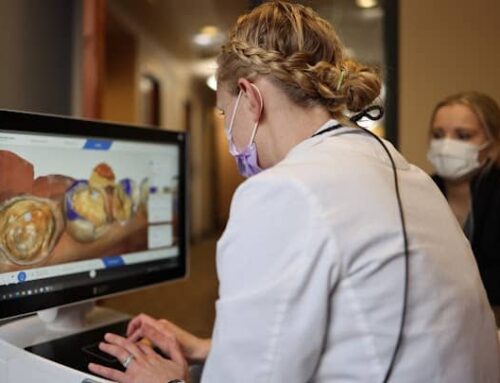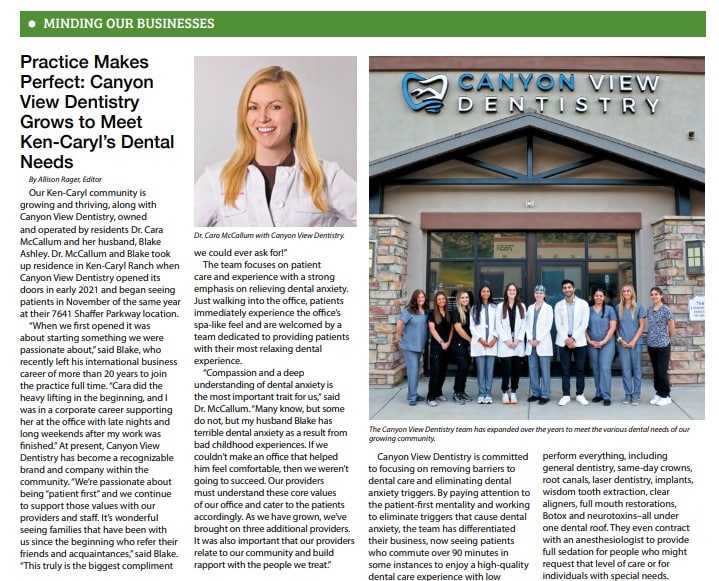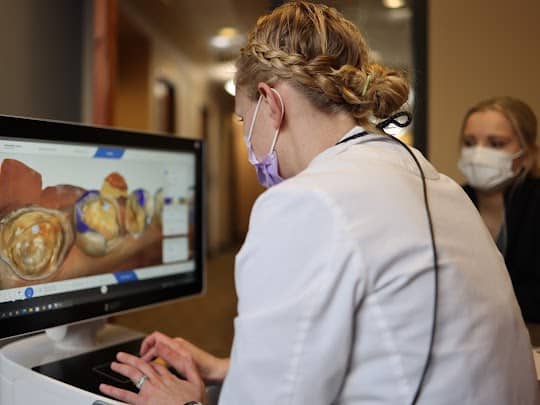

At Canyon View Dentistry, our hygiene team plays a pivotal role in helping you maintain long-term oral health. Today, we’re pleased to spotlight our hygienists and share emerging research that shows your oral health may have ramifications far beyond your smile. For patients who want to dive deeper, we invite you to learn more here.
The Importance of Routine Dental Cleanings
Regular professional cleanings are the foundation of great oral health. While brushing and flossing at home are essential, there are certain areas and issues that only a hygienist can address.
What Happens During a Professional Cleaning?
During your visit at Canyon View Dentistry, your hygienist will:
-
Perform a comprehensive periodontal assessment
-
Remove tartar and plaque buildup from hard-to-reach areas
-
Polish and reduce superficial stains
-
Screen for early signs of gum disease
-
Evaluate your home-care routine and offer personalized education
If you’d like to understand more about what the hygienist looks for, just ask during your next dental cleaning at our Ken Caryl Dental office.
How Our Hygienists Elevate the Patient Experience
Our hygiene team is known for being gentle, thorough, and deeply committed to patient comfort. Their goal is not just to clean your teeth, but to create an experience where you feel confident, informed, and proactive about your dental care.
Personalized Care for Every Patient
Every smile—and every mouth—is unique. Our hygienists tailor their approach to:
-
Your age and developmental stage
-
Your past dental history
-
The current state of your gums and supporting bone
-
Your lifestyle, diet, and home-care habits
Whether you’re overcoming dental anxiety (we understand that!) or simply want to optimize your oral health for the long term, our team is here to support you.
Mouth & Mind: How Gum Health May Relate to Cognitive Decline
Emerging research suggests that the state of your gums and oral health may be connected to brain health — particularly how your cognition (memory, reasoning, focus) changes over time.
What the Studies Are Finding
Here’s a summary of what current research reveals:
-
A 2025 analysis of U.S. adults aged 45 and older found that individuals with poorer oral health (including more tooth loss) had a significantly higher prevalence of subjective cognitive decline (SCD) — that is, self-reported worsening memory or confusion over the past year.
-
For example: among middle-aged adults (45–64 years), those who lost 6+ teeth had nearly twice the prevalence of SCD compared with those who had lost no teeth.
-
Those who visited the dentist regularly had lower prevalence of SCD in this study.
-
-
A 2025 study also found that adults with gum disease had a greater volume of white matter hyperintensities (WMHs) in their brains. These WMHs are markers of small-vessel disease and are linked to cognitive decline, strokes, and reduced processing speed.
-
A systematic umbrella review highlighted that poor periodontal health, high plaque accumulation, gingival bleeding, and tooth loss are frequently associated with worse cognitive outcomes (including dementia) — likely through mechanisms such as systemic inflammation and reduced chewing/masticatory function.
Why Might This Be Happening?
Researchers propose several plausible pathways:
-
Chronic oral inflammation and bacterial burden: Gum disease involves sustained inflammation and harmful bacteria entering the bloodstream, which may trigger or exacerbate neuroinflammatory processes.
-
Reduced chewing / masticatory stimulation: Losing teeth or having gum disease may impair chewing efficiency. Some studies suggest that less chewing leads to less stimulation of brain regions involved in memory and cognition.
-
Nutritional and systemic consequences: Poor oral health might impair diet (fewer nutrient-rich foods), and tooth loss has been linked to nutritional deficiencies which in turn affect brain health.
-
Shared risk factors: Conditions that affect vascular health (diabetes, hypertension, smoking) impact both gums and brain. While this doesn’t prove causation, it adds weight to the idea that gum health is a window into overall vascular and neurological health.
What This Means for You
While research is still ongoing and does not definitively prove that gum disease causes dementia or cognitive decline, the associations are compelling. The practical takeaway: maintaining good oral hygiene and having regular dental care may help protect not just your teeth and gums—but your brain as you age.
Preventive Care Is the Best Care
Consistent dental cleanings and personalized hygiene care reduce your risk of:
-
Cavities
-
Gum disease
-
Tooth loss
-
Chronic inflammation
-
Emergency dental visits
-
Potential downstream systemic impact (including what research suggests about cognition)
Your hygienist at Canyon View Dentistry is one of your greatest partners in maintaining not just a healthy smile, but a healthy future.
Meet Our Hygiene Team at Canyon View Dentistry
We are proud to have some of the most skilled and patient-focused hygienists in Littleton and Ken Caryl. Their dedication to prevention, science-based practice, and creating a comfortable experience for anxious patients makes Canyon View one of the top dental practices for proactive, holistic care.
Want to Schedule Your Next Cleaning?
If it has been more than six months since your last visit—or if you’re ready to be proactive about both your oral health and overall well-being—let us know.
📞 Call us: 720-389-8199
🌐 Book online by clicking the link in the lower right corner.